
When people arrive in the Moroccan Sahara, their eyes naturally go first to the dunes. The sand’s color changes throughout the day, from soft gold in the morning to deep orange before sunset, while the wind redraws the surface overnight. Yet, for those of us who spend time in this landscape, the sand also tells quieter stories.
Small tracks often appear around the camp in the early morning. A thin, winding line may belong to a beetle searching for food during the night. Tiny marks near a shrub can show where ants have been working below the surface. These signs remind us that the Sahara is never truly empty, even when it seems completely still.
At Desert Luxury Camp, our guides grew up knowing that desert life isn’t always easy to see at first. Sahara insects are part of the dunes’ rhythm, like the shifting wind, camel paths, and clear night sky. They have learned to live with heat, dry conditions and long distances between sources of water.
How Desert Insects Survive Morocco’s Harsh Climate
The Sahara demands a great deal from every living creature. Summer temperatures can be intense, rainfall is limited, and shade is hard to find. Insects survive because their bodies and habits suit these conditions.
Many are active at night, when the sand is cooler, and they are less likely to lose moisture. Others use the sand itself for protection. Just beneath the surface, temperatures can be lower than they are in direct sunlight, allowing insects to rest until it is safer to emerge.
Their coloring also helps. Beetles, ants, and grasshoppers often have sandy, brown, or grey tones that help them blend into the desert. This camouflage protects them from birds, reptiles and other predators, while also helping them remain hidden from the strongest glare of the day.
They manage water in ways most people cannot imagine. Some obtain moisture through the food they eat, while others need very little water because their bodies are designed to reduce moisture loss. (These same desert conditions matter when choosing the best clothes for the Sahara Desert.)
Beetles and the Tracks They Leave Behind
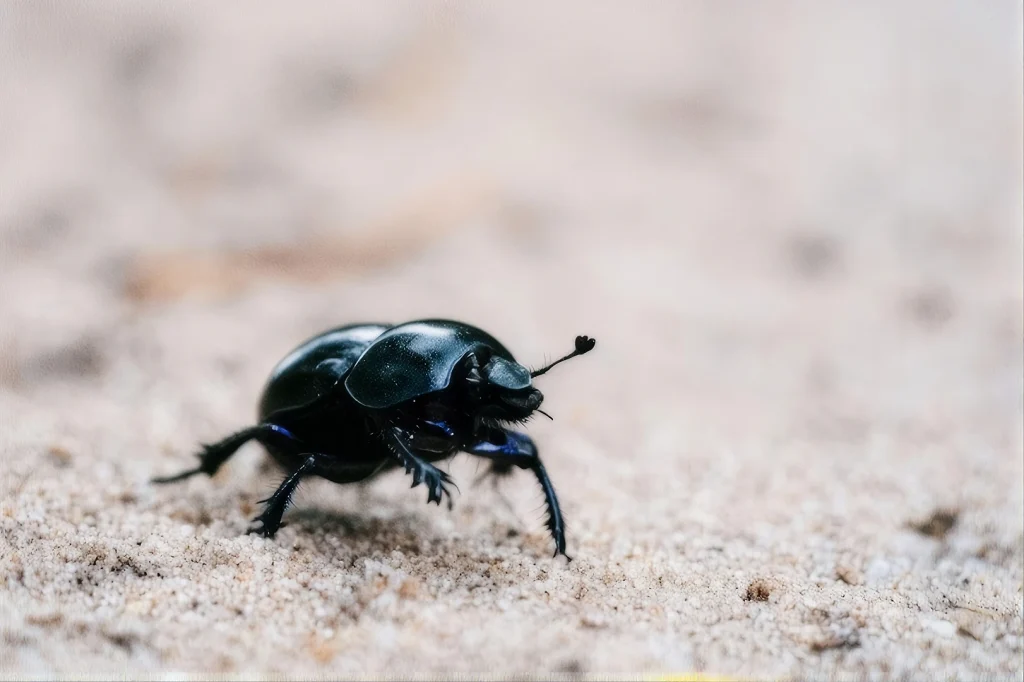
Beetles are among the most recognizable insects in the Sahara Desert. They may be small, but they are well equipped for dry conditions. Their hard outer shells protect their bodies, and many species are active after dark or during the cooler hours of the day.
In the morning, you can sometimes see their tracks close to the camp. Local guides often notice these details straight away because they have learned to read the sand over many years. A few small lines might show where a beetle crossed between plants, while a cluster of markings can suggest that several insects were active overnight.
Beetles also do important work in the desert ecosystem. Some feed on dry plant matter, seeds, and material the wind carries across the sand. Others help break down animal waste and remains, returning nutrients to the soil. In a place where resources are scarce, nothing goes to waste for long.
As you explore Morocco’s desert wildlife and landscapes, these small signs become part of the story. The dunes may look untouched from a distance, but closer inspection often reveals how much activity has taken place during the night.
Ants, Plants and the Desert Food Chain
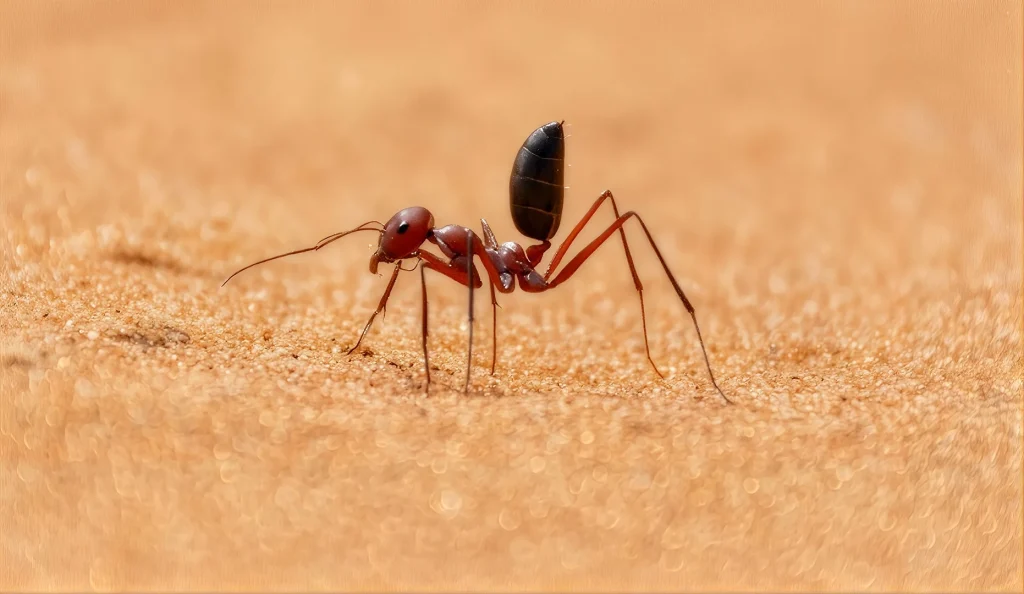
Ants are easy to overlook, yet they are among the busiest insects in the Sahara. They travel between their nests and food sources, collecting seeds, small insects and pieces of plant material. Their colonies are usually hidden beneath the sand or in protected ground, where they can avoid the heat.
In the Moroccan desert, vegetation is precious. A small shrub or patch of grass can provide shelter and food for several insects at once. Ants help move seeds through the landscape, supporting plant growth when rainfall arrives. They also become food for lizards, birds, and other animals.
This is how the desert food chain works. One small insect supports another animal, which in turn supports the wider ecosystem. Discover more about Morocco’s desert wildlife and landscapes to see how these connections shape the Sahara.
For travelers, this is another reason to walk carefully and listen to local guidance. Desert plants and the life around them may appear fragile, but they have adapted over generations to survive in a difficult place.
Moths and Nighttime Life Around the Camp
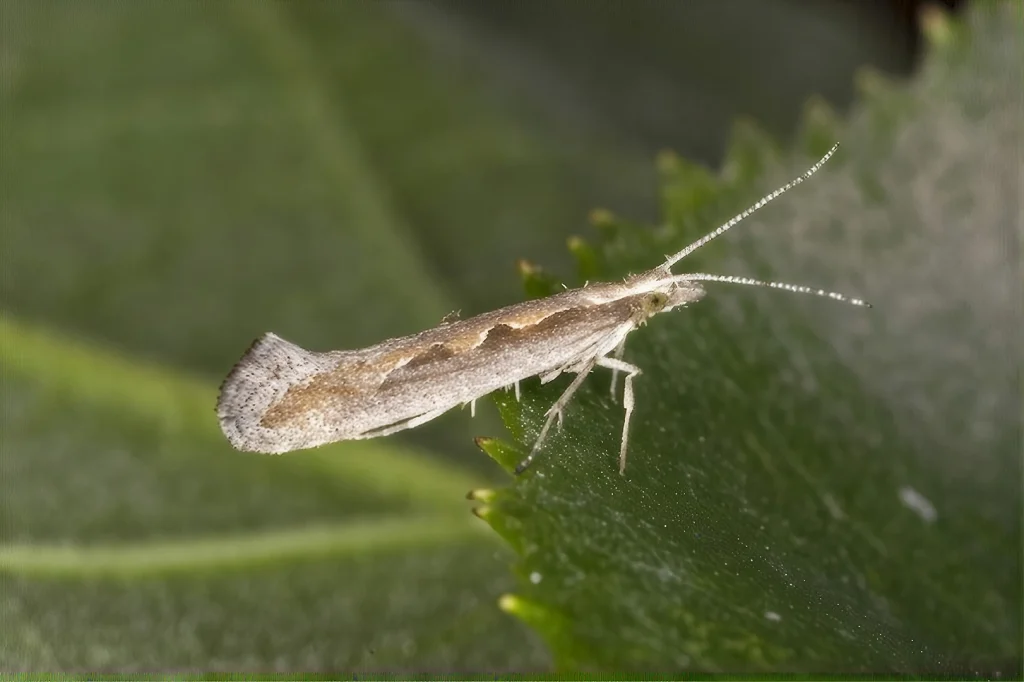
After sunset, the desert becomes calmer and cooler. Families gather for dinner, tea is served, and the sky shows more stars than most visitors have seen before. This is also the time when moths and other flying insects are more likely to appear.
Moths are often drawn toward soft lights around the camp. They are a natural part of the nighttime environment and provide food for bats and other nocturnal animals. Their presence is a small reminder that the Sahara does not sleep when people do.
Our local team understands how to enjoy the evening while respecting the landscape around us. We keep the lighting gentle, and guests can sit outside without feeling separated from the desert. The aim is not to make the Sahara feel like a city hotel. It is to give you comfort while allowing the natural atmosphere of the dunes to remain part of your stay.
A quiet evening around the campfire can reveal more than a beautiful view. It can reveal the movement, sounds and small details that are easy to miss during the day.
Read more about what to expect from your stay at Desert Luxury Camp before planning your night in the dunes.
Grasshoppers and the Desert After Rain
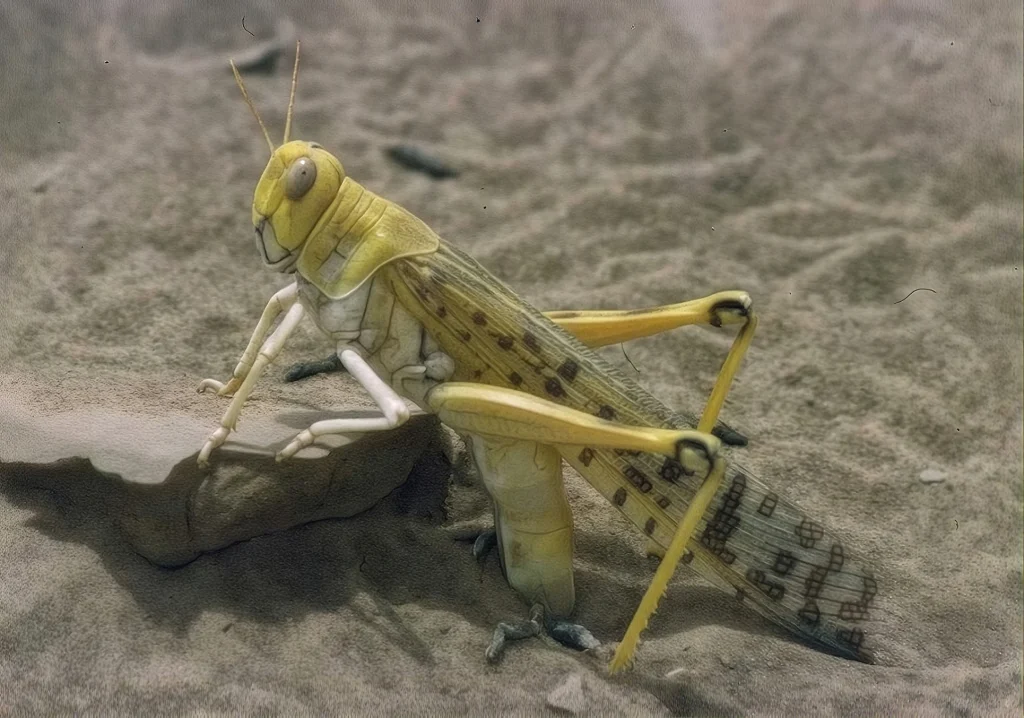
People never take rain in the Sahara for granted. When it arrives, it can change the desert’s mood almost immediately. Small plants may appear, the air can feel fresher, and insects such as grasshoppers may become more active as food becomes available.
Grasshoppers and locusts are linked to vegetation and seasonal conditions. Locust swarms are not an everyday sight, and they depend on particular weather and breeding patterns. However, individual grasshoppers are part of the natural cycle that follows rainfall in dry areas.
Local people have long observed these changes closely. Rain affects travel routes, grazing, plants, and daily life. It also shows how quickly the desert can respond when water reaches the ground.
This is why the Sahara is best understood as a living landscape rather than a static sea of sand. Its appearance changes through the seasons, and even the smallest insects respond to those changes.
The landscape can look very different depending on where you travel. Our guides can also help visitors understand the character of the Erg Chebbi desert and the changes that shape life around its dunes.
Why These Small Creatures Matter
Sahara Desert insects help keep the ecosystem in balance. They recycle natural material, pollinate plants, move seeds, and provide food for birds, lizards, bats, and other animals. Their role may be small in scale, but it is essential.
A beetle moving through the dunes can help return nutrients to the ground. An ant carrying a seed can support new plant growth after rain. A moth flying through the night can become food for a bat. Each part of the ecosystem depends on another.
For those of us who live and work close to the desert, this is why we encourage guests to look carefully rather than only looking far ahead. The Sahara’s beauty isn’t limited to its grand views; the hidden gems of the Moroccan Sahara often lie in its quieter details.
Discover the Sahara Beyond the Dunes
A stay in the Moroccan Sahara offers more than a night surrounded by sand. It is a chance to slow down, learn from people who know the region, and experience the desert at its natural pace.
In the morning, look closely before the wind softens the tracks left overnight. In the evening, pause outside the tent and notice how the cooler air brings movement back to the dunes. Ask your guide what they see in the sand; their knowledge can turn a simple mark into a desert story.
The people, landscape and traditions of southern Morocco shape our Sahara experiences. Whether you are looking at our Morocco desert camps or planning one of our custom Morocco trips, the smaller details often become the memories that stay with you longest.


